

Key Takeaways
Why free and low-cost attractions deserve a spot in your itinerary
Paid theme parks and resort experiences get most of the marketing attention, but a large share of the country's genuinely memorable family destinations cost little or nothing to enter. Museums funded by federal taxes, parks maintained by state and local governments, and historic sites preserved by nonprofits are all part of an infrastructure that families can use without a major budget commitment.
The challenge is usually not finding free attractions, it is knowing which ones are worth building a trip around and which are worth a quick detour. This list focuses on categories and specific examples that deliver real educational and recreational value, not just a checkbox on a tourist map. If hidden costs are a concern, see where family travel budgets tend to slip before you finalize any plans.
Smithsonian Institution museums
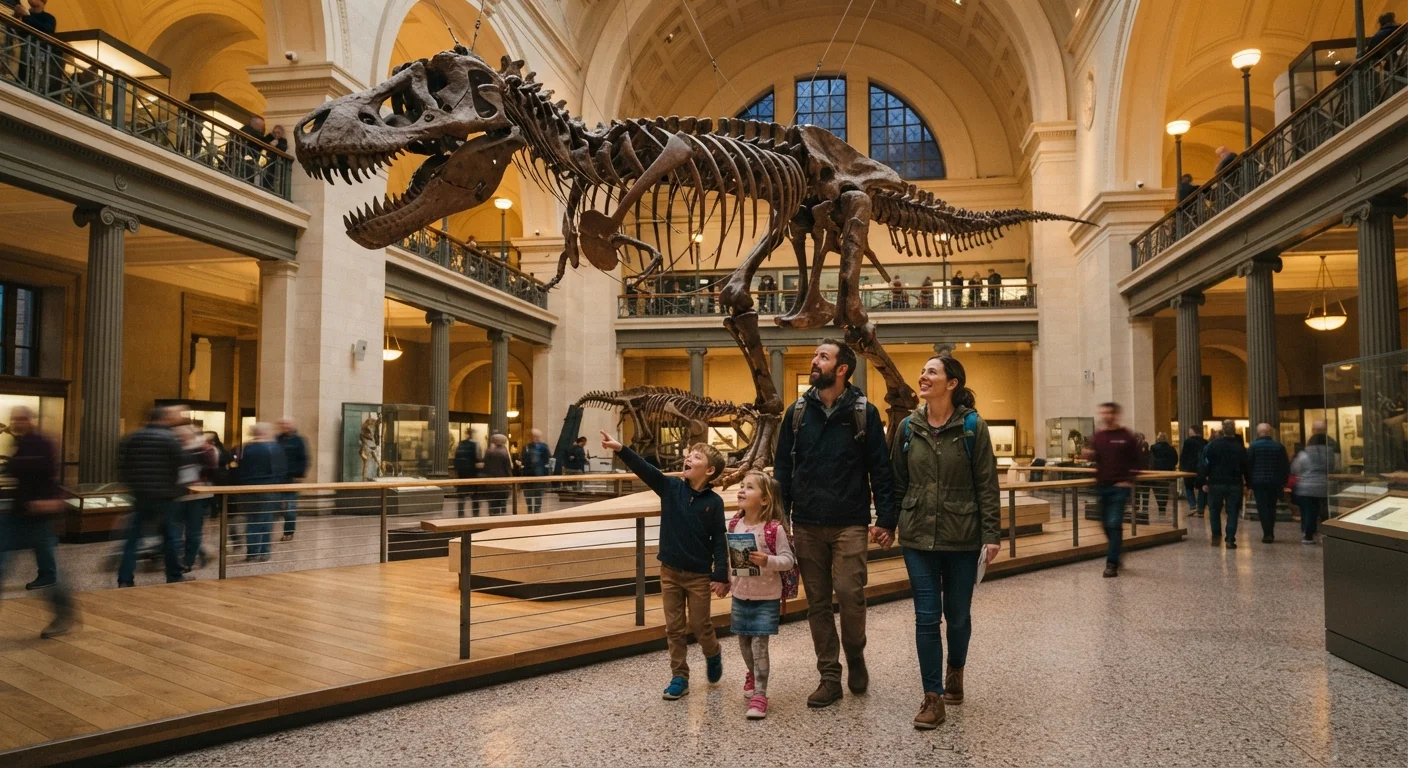
The Smithsonian operates 19 museums and galleries in Washington, D.C., plus additional sites in New York and elsewhere, all free to the public. The National Museum of Natural History, the National Air and Space Museum, and the National Zoo are consistently among the country's most visited attractions, and none charge admission.
Families with varied interests can spend two or three full days in D.C. without paying a single entrance fee. The museums are dense with interactive exhibits designed for children, and the scale of the collections means repeat visits cover different ground. Parking and food costs add up, so factoring those in is worth doing before you go. The cost comparison between national parks and theme parks puts the Smithsonian's value in useful context.
Nineteen D.C. museums with no admission fee can fill two to three full family days.
America the Beautiful annual pass
The America the Beautiful pass, sold by the National Park Service, covers entrance fees for the pass holder and accompanying passengers at over 2,000 federal recreation sites. These include national parks, national monuments, national forests, wildlife refuges, and Bureau of Land Management recreation areas.
The pass costs $80 annually per vehicle. Families who visit two or three national parks in a year typically recover that cost on entrance fees alone, and the pass works for day visits and camping entry fees at many sites. Separately, fourth-graders in the U.S. qualify for a free version of this pass through the Every Kid Outdoors program, which any eligible family should check before purchasing. The National Park Service website has current details on eligibility and how to obtain either pass.
Fourth-graders can get a free federal lands pass through the Every Kid Outdoors program.
State parks with no entry fee
Several states maintain extensive park systems with no general admission charge. Texas, Tennessee, and Colorado are among those where a substantial portion of state parks are free or charge only for camping or specific facilities. Other states offer free admission on designated days throughout the year.
State parks frequently include trails, swimming areas, visitor centers, and ranger-led programs that compete in quality with paid attractions. The activities tend to scale well for different ages, and the outdoor setting gives kids physical space that museums and historic sites don't. Checking your destination state's parks department website will show current fee structures and any free days on the calendar. Some common assumptions about park costs are worth questioning before you dismiss a state park as not worth the trip.
Several states charge nothing to enter most of their state parks year-round.
Children's museums on free-admission days
Most children's museums in the U.S. charge admission, but a significant number partner with programs like the Association of Children's Museums' Museums for All initiative. Under that program, families presenting a qualifying EBT card can enter for $3 per person or less at participating locations.
Beyond that, many children's museums offer free community days on a monthly or seasonal schedule, often tied to corporate sponsorships or local arts funding. These days are worth tracking. A quick search for your destination city plus "children's museum free day" will usually surface the current schedule. Because these dates fill up, arriving early matters more than at paid venues.
The Museums for All program lets EBT cardholders enter many children's museums for $3 or less.
National historic sites and battlefields
The National Park Service manages over 400 units, and many of them, including national historic sites, battlefields, and memorials, charge no entrance fee at all. Sites like Independence National Historical Park in Philadelphia, the Freedom Trail in Boston, and numerous Civil War battlefields are free to visit and include ranger programs, living history demonstrations, and well-maintained walking paths.
These sites work particularly well for families with school-age children because the educational context is concrete and tied to what kids study in class. The NPS Junior Ranger program, available at most units, gives children a structured activity booklet and a badge upon completion, which turns a site visit into an interactive project rather than a passive walk-through.
The NPS Junior Ranger program turns historic site visits into structured, badge-earning projects for kids.
Public libraries with museum pass programs
Public libraries in many cities and counties loan museum passes that provide free or discounted entry to local institutions. Boston, Seattle, and Denver are among the cities where library cardholders can borrow passes to science centers, art museums, and botanical gardens that would otherwise charge $15 to $25 per person.
The pass inventory varies by branch and reservation windows can be short, but for families who plan their trips a few weeks out, this is a low-effort way to cut attraction costs. Your destination city's public library website will list participating museums and the borrowing process. If you're building a family budget that includes travel, stacking library passes with other free admissions is a practical way to control the daily activity line item.
Library museum pass programs in many cities provide free entry to science centers and art museums.
Making the most of what's already in reach
A few practical habits help families get full value from these attractions. Arriving early reduces crowds and gives kids more space to engage, especially at popular museums. Checking each venue's website for free admission days, school holiday closures, and age-based exemptions takes about ten minutes and can save a family of four meaningful money per stop.
If your trip involves driving between destinations, a structured road trip plan can help you build free attraction stops into the route naturally. Families who pair low-cost outdoor stays with these free sites stretch their total budget further; camping and cabin options near national parks and forests are worth comparing before you book lodging.
Check reciprocal membership programs
Many science centers, children's museums, and botanical gardens participate in reciprocal networks such as ASTC (science centers) and ACM (children's museums). A membership purchased at your home institution often gets you free or discounted entry at affiliated venues across the country. Check each network's website for the current list of participating institutions and any blackout rules that apply.
This article is for general informational purposes. Admission policies, program eligibility, and operating hours change. Verify current details directly with each venue or program before planning your trip.