

| UL certification scope | Electrical safety for consumer products (Underwriters Laboratories) |
| OEKO-TEX Standard 100 tests for | Harmful substances in textiles (OEKO-TEX Association) |
| IP67 rating means | Dust-tight, 1m water submersion for 30 min (IEC 60529 standard) |
| GSM in textiles | Grams per square meter, a measure of fabric weight |
| CARB Phase 2 limits | Formaldehyde emissions from composite wood (California Air Resources Board) |
| EPA Safer Choice | Ingredient hazard screening for cleaning products (U.S. Environmental Protection Agency) |
Why most shoppers evaluate products the wrong way
Price and packaging are the two signals most shoppers rely on. Neither one reliably predicts how long a product will hold up. A higher price can reflect marketing costs, not manufacturing quality. Attractive packaging tells you about the design budget, not the materials inside.
The signals that actually correlate with durability and performance tend to be less obvious: third-party certifications, specific warranty terms, material composition, and the consistency of user reviews over time. Learning to read these quickly is one of the most practical skills a budget shopper can build. See our plain-language label guide for a deeper look at decoding what product information actually means.
| UL certification scope | Electrical safety for consumer products (Underwriters Laboratories) |
| OEKO-TEX Standard 100 tests for | Harmful substances in textiles (OEKO-TEX Association) |
| IP67 rating means | Dust-tight, 1m water submersion for 30 min (IEC 60529 standard) |
| GSM in textiles | Grams per square meter, a measure of fabric weight |
| CARB Phase 2 limits | Formaldehyde emissions from composite wood (California Air Resources Board) |
| EPA Safer Choice | Ingredient hazard screening for cleaning products (U.S. Environmental Protection Agency) |
Certifications worth trusting
Third-party certification means an independent organization tested the product against a defined standard before it reached the shelf. This is meaningfully different from a manufacturer's own claims.
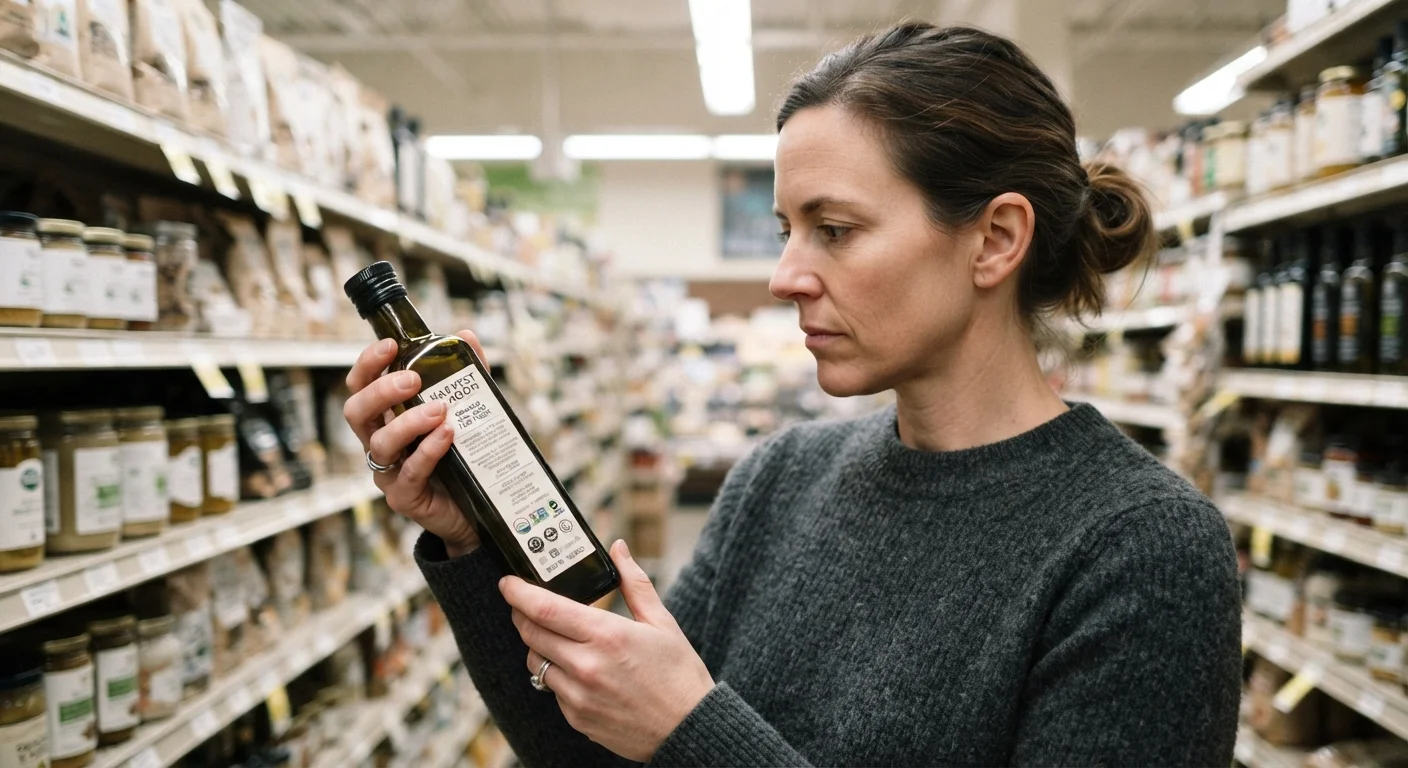
For electrical and electronic goods, a UL (Underwriters Laboratories) or ETL mark indicates the product met recognized safety requirements. For textiles and apparel, OEKO-TEX Standard 100 certification means the fabric was tested for harmful substances. For wood furniture and flooring, CARB Phase 2 compliance limits formaldehyde emissions from composite wood panels. For cleaning products and personal care items, EPA Safer Choice indicates that ingredients were reviewed against a hazard-screening framework.
Not every product category has a well-established certification, but when one exists, it is worth confirming it appears on the product itself rather than only in the listing description, since marketplaces do not always verify those claims.
What warranty terms actually tell you
A warranty's value depends entirely on its specific terms, not its name. A "lifetime warranty" that covers only manufacturing defects under normal use and excludes wear, consumable parts, or commercial use may be narrower than a two-year warranty with fewer exclusions.
The questions worth asking: What exactly is covered? Who pays return shipping for a warranty claim? Is there a deductible? Does the warranty transfer if the item is resold? Manufacturers that offer longer coverage periods, cover labor in addition to parts, and make the claims process straightforward tend to produce products with lower defect rates. The coverage is a financial signal about how much the manufacturer expects to pay out. Extended warranties carry a similar set of fine-print concerns worth understanding before you pay for one.
In general, a clearly written, specific warranty is more useful than a vague one, regardless of the time period attached to it.
Material composition and construction indicators
For hard goods, check whether the structural components are solid or hollow, and whether joints are mechanical or adhesive. Dovetail joints in furniture drawer boxes indicate stronger construction than stapled cardboard. Cast iron and stainless steel cookware typically outlast non-stick aluminum, though both have legitimate uses depending on the task.
For soft goods such as clothing, bedding, and bags, thread count and fabric weight (measured in grams per square meter, or GSM) are more reliable than marketing descriptors like "premium" or "luxury." A higher GSM generally means more material per unit of area, which correlates with durability in many textile applications.
For electronics, IP (Ingress Protection) ratings use a standardized two-digit code to indicate resistance to dust and water. An IP67 rating means the device is dust-tight and can be submerged in one meter of water for 30 minutes. This is a testable, specific claim, unlike general terms such as "water-resistant."
Store-brand and name-brand products sometimes use identical materials at the component level, which is worth knowing before assuming a higher price means better construction.
How to read reviews for quality signals
Aggregate star ratings compress information in ways that can mislead. A product with 4.2 stars from 12,000 reviews may be more reliable than one with 4.7 stars from 80 reviews, because a larger sample smooths out outliers and paid promotions. More useful than the average is the distribution: a product with many 5-star reviews and many 1-star reviews, but few in between, often has a design flaw that affects a significant minority of buyers.
Sort reviews by "most recent" rather than "most helpful," since manufacturers sometimes change materials or production methods after a product launches. A product that was solid three years ago may not be the same product today. Reviews that describe specific failure points, part names, or dimensions are more credible than those using general praise or criticism. Before you finalize any purchase, it is worth spending two minutes in the negative reviews to see whether the same problem comes up repeatedly.
This article provides general consumer information for educational purposes. Product standards, certification requirements, and warranty terms vary by category, country of sale, and individual manufacturer. Verify any certification claim directly with the certifying body before relying on it for a purchase decision.